April 30, 2026
In the rapidly evolving world of modern construction, architectural facades are no longer just about aesthetics—they are about performance, longevity, and efficiency. Traditional precast concrete has long been the industry standard, but it comes with heavy weight, high installation costs, and limited design flexibility. Today, Polyurethane (PU) Precast Systems are reshaping how we think about building exteriors.
Why Polyurethane (PU) Over Traditional Materials?
The shift toward PU precast isn’t just a trend; it’s a response to the needs of modern engineering. Here are the top four reasons why polyurethane is becoming the preferred material for premium projects:

- Ultra-Lightweight Construction
Compared to concrete, PU elements are incredibly lightweight. This reduces the structural load of the building significantly, allowing for bold architectural designs on both high-rise buildings and modular structures without compromising safety. - Superior Thermal & Acoustic Insulation
Polyurethane is naturally an insulating material. By using PU-based facade elements, buildings benefit from an extra layer of thermal protection, contributing to energy efficiency and a smaller carbon footprint. - Speed of Installation
Time is money in construction. Because PU elements are lightweight and manufactured with precision modularity, they can be installed much faster than traditional stone or concrete facade systems. This results in reduced labor costs and faster project completion. - Limitless Design Versatility
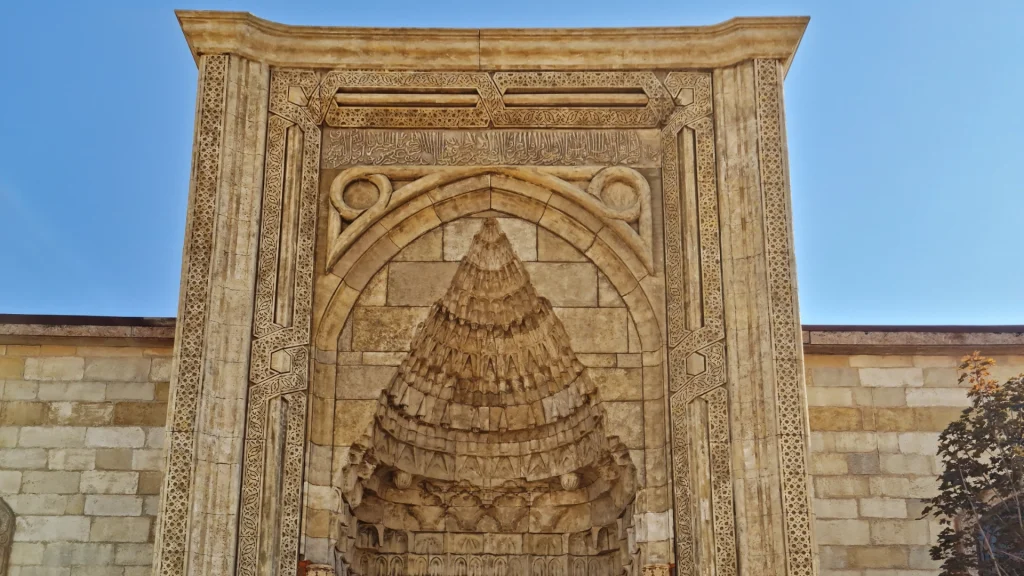
From the raw look of natural stone to the warmth of cedar wood textures, polyurethane can replicate any surface with incredible detail. It allows architects to achieve intricate Seljuk patterns or ultra-modern geometric facades that would be nearly impossible or too expensive to carve in natural materials.
Built to Last: Weather and UV Resistance. Check our Projects page for completed installations

One of the biggest concerns with exterior cladding is durability. Polmek Decor’s high-density PU systems are engineered to withstand extreme temperatures, high humidity, and intense UV exposure. Unlike wood, they won’t rot; unlike stone, they won’t crack under thermal stress.
Conclusion
As we look toward smarter, faster, and more sustainable building methods, the choice for architectural facades is clear. Polyurethane precast offers the perfect balance of premium aesthetics and industrial-grade durability.